Python Mini-Bootcamp
In 9 weeks you'll learn Python from scratch: from your first line of code to a complete CRUD project with persistence, modules, and error handling — in Spanish, with live sessions and 100% free.
Next cohort
June 26, 2026 - August 21, 2026
Investment
Curriculum
What you'll learn
In 9 weeks you'll go from zero to a complete CRUD project with Python, building each week on the previous one.
Phase 1: Python Fundamentals
Weeks 1-3Phase 2: Intermediate Python
Weeks 4-6Phase 3: Applied Python
Weeks 7-9Who it's for
Is this bootcamp for you?
Designed for those who want to learn to code from scratch in Spanish.
Absolute beginners
With no prior programming experience. We start from "what is Python?" and build step by step.
Professionals from other fields
Education, design, business, healthcare — people who want technical skills to automate, analyze data, or understand AI.
AI and data curious
They want to explore AI, data science, or automation but need Python as a solid foundation before specializing.
Evaluators before investing
They want to test whether programming is for them before committing to a paid bootcamp. This is the perfect entry point.
What's included
Everything you get
A free bootcamp, in Spanish and with live sessions — a combination that doesn't exist on the market.
Structured learning in Spanish
Pedagogical content tested with 6,000+ students, in Latin American Spanish.
- 9 weeks of structured content (~79 capsules, 8-9 per week).
- Live review sessions every Saturday with an integrative anchor project.
- 4 mini-projects: Contact Book, Transaction Processor, Inventory System, and CRUD Catalog.
- Tool progression: Google Colab (Phases 1-2) → VS Code (Phase 3).
Community and growth pipeline
It's not just the bootcamp — it's the gateway to the NIEVA ecosystem.
- Support community via private WhatsApp channel.
- Clear pipeline: Python → Backend Python Bootcamp → AI Engineering Bootcamp.
- Closing session with demo, GitHub, and a 30-day post-bootcamp plan.
Tools
Tools you'll use
A careful tool progression: from zero friction to the professional environment.
Python
The bootcamp's main language. The most-used in AI, data, automation, and backend.
Google Colab
Phases 1 and 2: zero installation, runs in the browser. Perfect for beginners.
VS Code
Phase 3: the professional environment. Guided transition from Colab in Week 6.
Free bootcamp
Completely free access
Enroll for free and access all the bootcamp content.
Instructors
Meet your instructor
Learn from professionals with real industry experience.
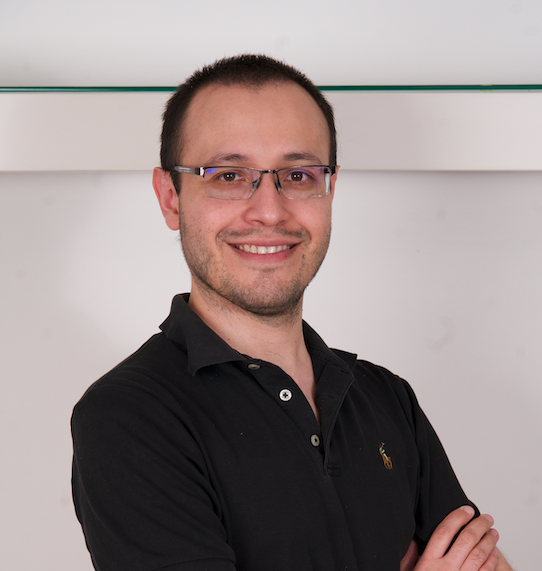
Mike Nieva
I've worked with multiple companies and startups in professional web development and agentic architecture implementations. Technology instructor with 10 years of experience.
Ecosystems included
Bootcamp ecosystems and courses
Full access to the ecosystems and all their courses.
Python Developer Mini-Bootcamp (MBP) - June 2026
Additional courses
Guía de Git y GitHub
Domina el control de versiones con Git y el desarrollo colaborativo con GitHub, desde tu primer commit hasta pipelines de CI/CD en producción. Esta guía te lleva paso a paso por todo lo que necesitas para trabajar profesionalmente con Git: flujo local, branches, resolución de conflictos, Pull Requests, workflows de equipo, automatización con hooks y GitHub Actions, y recuperación de errores. Diseñada para developers de cualquier lenguaje que quieren dejar de tenerle miedo a Git y empezar a usarlo con confianza en equipos reales.
Guía de OOP y Modelado de Datos en Python
Un diccionario suelto con las llaves correctas puede parecerse a un objeto, pero no protege sus invariantes, no expone comportamiento y se rompe en silencio cuando alguien le mete un valor inválido. Esta guía enseña a diseñar un modelo de objetos limpio, correcto y "pythónico" partiendo de ese problema real. Trabajas modelando un solo dominio de principio a fin —Reservo, un sistema de reservas de salas de coworking— y lo construyes con clases desde cero: primero el paso de datos sueltos a un objeto que junta datos y comportamiento, después encapsulación con propiedades que validan invariantes, `@dataclass` para modelar datos inmutables sin código repetitivo, composición para armar el grafo de objetos del dominio, herencia y polimorfismo para los distintos tipos de socio, protocolos y clases abstractas para diseñar contra interfaces en vez de contra implementaciones concretas, y los métodos dunder que hacen que un objeto se sienta nativo de Python (comparación, orden, iteración, context managers). Todo el código se ejecuta de verdad con Python 3.14 y se verifica contra números de ancla del dominio (una reserva de 3 horas en la sala Focus cuesta 7500 centavos, con 20% de descuento para el tier pro). El proyecto final modela el dominio Reservo completo con las ocho piezas integradas y una demo ejecutable.
Construir con LLMs desde Código
Integra un LLM en un producto real desde código, no desde un notebook de experimentación. Esta guía trabaja directo contra el SDK del proveedor —a propósito, para que entiendas qué abstrae un framework antes de adoptarlo— a lo largo de ocho módulos: tratar al LLM como una dependencia más de tu software (no determinista, cobrada por token), construir tu primera integración seria con un cliente propio, mantener los prompts como código versionado, obtener salidas estructuradas y validadas en vez de parsear texto libre, dar herramientas al modelo con tool calling controlado por tu código, exponer respuestas en streaming, endurecer la integración contra fallas reales de un proveedor, y evaluar y lanzar con una suite de evals que te dice si un cambio mejoró o empeoró el sistema. El proyecto final es un servicio de triage de tickets de soporte listo para producción: clasificación validada con Pydantic, respuesta en streaming, herramientas reales, reintentos, caché, control de costo y evals corriendo en CI.
Guía de Estructuras de Datos y Algoritmos con Python
Guía completa de estructuras de datos y algoritmos implementados en Python: arrays, stacks, queues, linked lists, trees, hash tables, sorting, searching y Big O Notation. Más de 25 algoritmos documentados con su complejidad, implementados desde cero. Es el diferenciador del path: el 95% de los cursos de backend no cubren esto, y es justo lo que se pregunta en entrevistas técnicas.
Complete ecosystems, *open end to end*
Courses included
FAQ
Everything you need to know
Do I need prior experience to join?
No. Absolutely none. We start from "what is Python?" and build from scratch. You only need a computer, an internet connection, and a Google account.
Why Python and not another language?
Python is the most-used language in AI, data science, automation, and backend. It's the prerequisite for NIEVA's Backend and AI Engineering bootcamps, and the most in-demand in today's tech job market.
Are the live sessions recorded?
Yes. All sessions are recorded and edited, and you can watch them from your dashboard. If you can't make it live, you watch the recording and submit via WhatsApp.
What tools do I need to install?
Nothing at the start. The first 5 weeks we work in Google Colab (in the browser, no installation). In week 6 we make a guided transition to VS Code.
How much time per week do I need to commit?
6-8 hours per week: 2 hours of live session on Saturdays and 4-6 hours of individual work with the capsules, exercises, and mini-projects.
What comes after finishing the bootcamp?
The Python Mini-Bootcamp is the entry point of the NIEVA pipeline: afterward you can take the Backend Python Developer Bootcamp or the AI Engineering Bootcamp, where Python is a prerequisite.
Is the bootcamp 100% online?
Yes. Fully remote. You join from anywhere with a browser and an internet connection.
Python Mini-Bootcamp
Python Mini-Bootcamp
Learn to code from scratch, in Spanish and for free. The first step toward AI, data, and backend.